
Iranian Strike on UAE - Threat Statement (Qualitative)
Adversary Intent
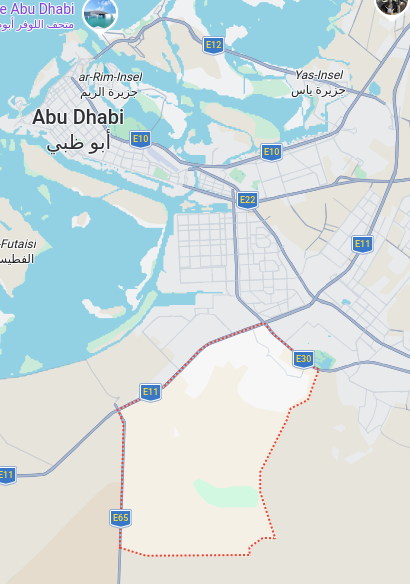
- Secondary focus on critical transport and economic nodes (major airports, ports, fuel and logistics hubs) to generate operational disruption and international visibility.
Adversary Capability
- Ability to launch mixed salvos of ballistic missiles, cruise missiles and Shahed-type drones across the Gulf with sufficient range and navigation to threaten both desert bases and dense urban/coastal areas.
- Capability to deliberately target specific installations and districts (e.g., US bases, airports, port complexes, known landmark districts), with accuracy sufficient for occasional center-mass building strikes when not intercepted.
- Use of volume and vector diversity (ballistic + low-flying drones) to stress layered air defence systems and create opportunities for leakers, near-misses and debris effects over populated areas.
- Information operations component: rapid amplification of visible fires and impacts on iconic locations in media and social channels to magnify perceived effectiveness and undermine confidence in host-nation security.
Observed Effects in UAE (Current Salvo)
- High intercept rate against ballistic and drone threats, with most primary warheads prevented from reaching intended military or critical infrastructure targets in the desert and at major hubs.
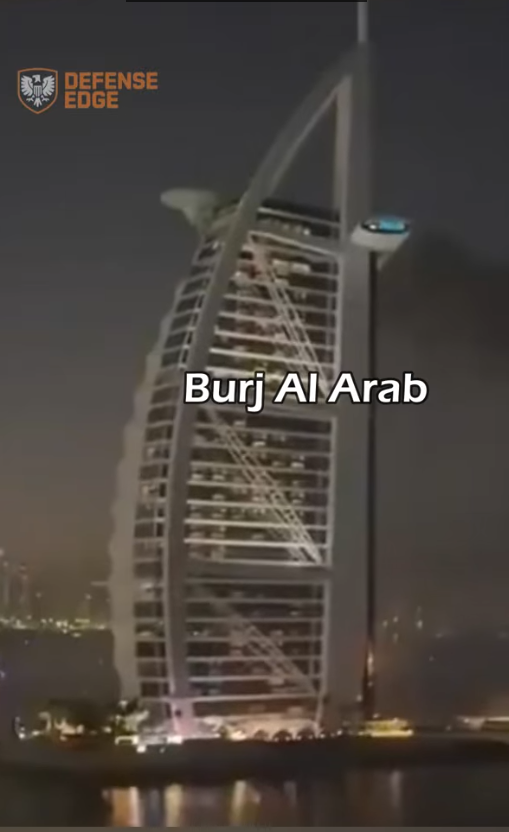
- Damage to symbolic/coastal sites largely consistent with debris and near-miss effects (e.g., external facade fire at Burj Al Arab, localized fire/damage at or near Palm Jumeirah hotel, minor structural/operational impact at DXB).
- Multiple debris-related incidents (falling fragments, partially destroyed drones/missiles) causing fires, glass breakage and localized injuries in urban/coastal areas despite successful intercepts.
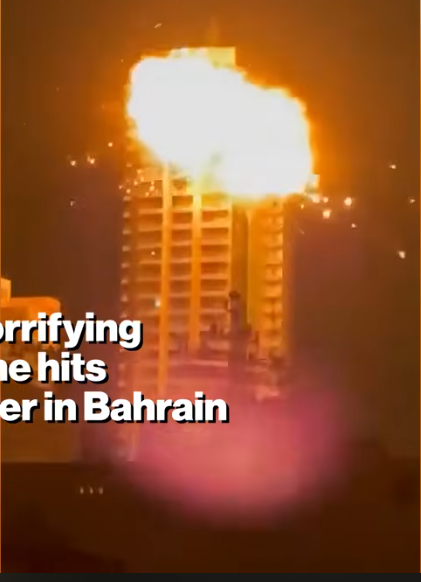
- No widely confirmed, large-scale center-mass detonation inside a Dubai high-rise in this event, in contrast to Bahrain, but at least one probable small warhead or near-direct impact at a commercial/luxury site on Palm Jumeirah.
Residual Risk to Commercial and Symbolic Assets (UAE)
- Direct small-warhead hits on commercial, luxury or symbolic buildings should be treated as a credible, low-frequency but high-impact scenario, especially for coastal/skyline assets within known approach corridors.
- Indirect damage from debris and near-misses represents a higher-frequency, medium-impact scenario even when air defence performs well (facade fires, broken glass, external structural damage, localized casualties).
- Business and reputation risk is amplified by global media exposure: even limited physical damage to landmarks (luxury hotels, signature towers, malls) can produce outsized economic and political consequences.
- Critical dependencies (power, water, telecoms, data centres, roads/bridges) near or co-located with symbolic assets may experience knock-on effects from debris strikes, fires and emergency responses.
DXB-Specific Risk Note
- Dubai International Airport (DXB) is a high-priority node for both operational disruption and symbolic impact, and will likely remain a repeat aimpoint in any future large-scale salvo.
- Current event shows that “minor damage” and injuries can occur from debris, near-misses or small warheads without catastrophic runway or terminal loss, but temporary closures and large-scale flight disruption are realistic even under successful intercept conditions.
- Risk scenarios for DXB should cover: (a) direct hits on runways/taxiways, fuel farms or control/communication facilities; and (b) debris-driven damage to terminals and aircraft on the ground causing smoke, fire, and extended operational outage.
- From a continuity perspective, DXB-adjacent infrastructure (airport hotels, logistics warehouses, metro/road links, nearby commercial centres) should be included in blast/debris and access-disruption scenarios, not treated as out of scope.
No comments to display
No comments to display